

Teaching Science in Primary School: Why Curiosity Comes Before Content | Episode 312
Have you ever been told that children need plenty of background knowledge before they're ready to explore a new science concept?
I have.
For years, that's exactly how I approached teaching science in primary school.
We built background knowledge. We introduced vocabulary. We made anchor charts. We watched videos. We read informational texts.
And then, once everyone had enough information, we finally got to the hands-on part.
If we ever got to it.
Because when you're teaching first or second grade, you already know the problem.
There is never enough time.
Science gets squeezed between reading groups, math, writing, interventions, assemblies, fire drills, and approximately 47 other things you're supposed to accomplish before dismissal.
So we do what elementary teachers have always been brilliant at doing.
We integrate.
We read about science during the reading block. We use science topics for informational writing. We squeeze science into the spaces we can find.
There's nothing wrong with that.
But somewhere along the way, I started to realize that something important was missing.
The kids were learning about science, but they weren't always getting to experience science.
And those aren't quite the same thing.
What If Curiosity Comes Before Background Knowledge?
One year, I decided to change the order.
Instead of beginning with information, I started with exploration.
I put materials in front of my students.
I asked a question.
And then I did something teachers sometimes find incredibly difficult.
I stepped back.
The change was almost immediate.
My students noticed things I never would have thought to point out. They asked questions I hadn't planned. They talked to one another, tested ideas, disagreed respectfully, failed, adjusted their thinking, and tried again.
Suddenly, science wasn't something I was delivering to them.
It was something they were experiencing.
That changed the way I thought about teaching science.
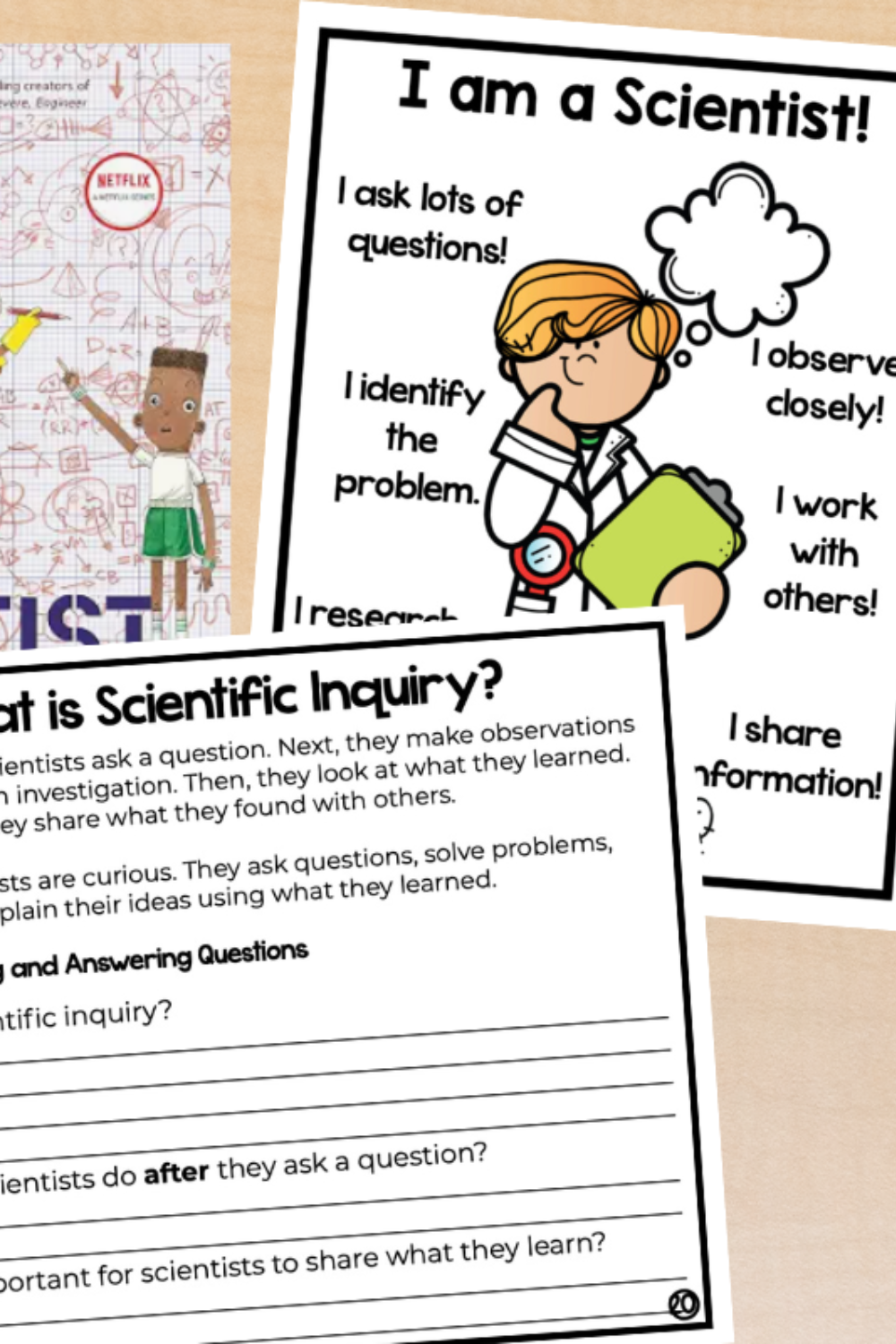
Because think about what actual scientists do.
They don't begin every investigation already knowing the answer.
They observe.
They wonder.
They ask questions.
They test ideas.
They gather evidence.
And sometimes—this is important—they discover that what they originally thought was completely wrong.
Then they revise their thinking and try again.
That's science.
And our youngest learners are already incredibly good at it.
Children Are Natural Scientists
Spend five minutes with a six-year-old and you'll probably hear enough questions to fill an entire science curriculum.
Why does that happen?
What would happen if I did this?
How does that work?
Why?
Why?
But why?
Children are born curious.
It doesn't matter where they come from, what language they speak, or what their family looks like. Curiosity belongs to every child.
Our job isn't necessarily to create curiosity.
Sometimes our job is simply to be careful not to extinguish it.
And that shifts the question we ask when we're planning.
Instead of only asking:
What do my students need to know?
We can also ask:
What could I give my students to wonder about?
That one little shift can completely change a science lesson.
Teaching Science in Grade 1 Can Start With Three Questions
If you're teaching science in Grade 1 or the early elementary grades, you don't need an elaborate investigation every day.
You don't need expensive science equipment.
And you definitely don't need to know the answer to every question your students might ask.
Sometimes you need three questions:
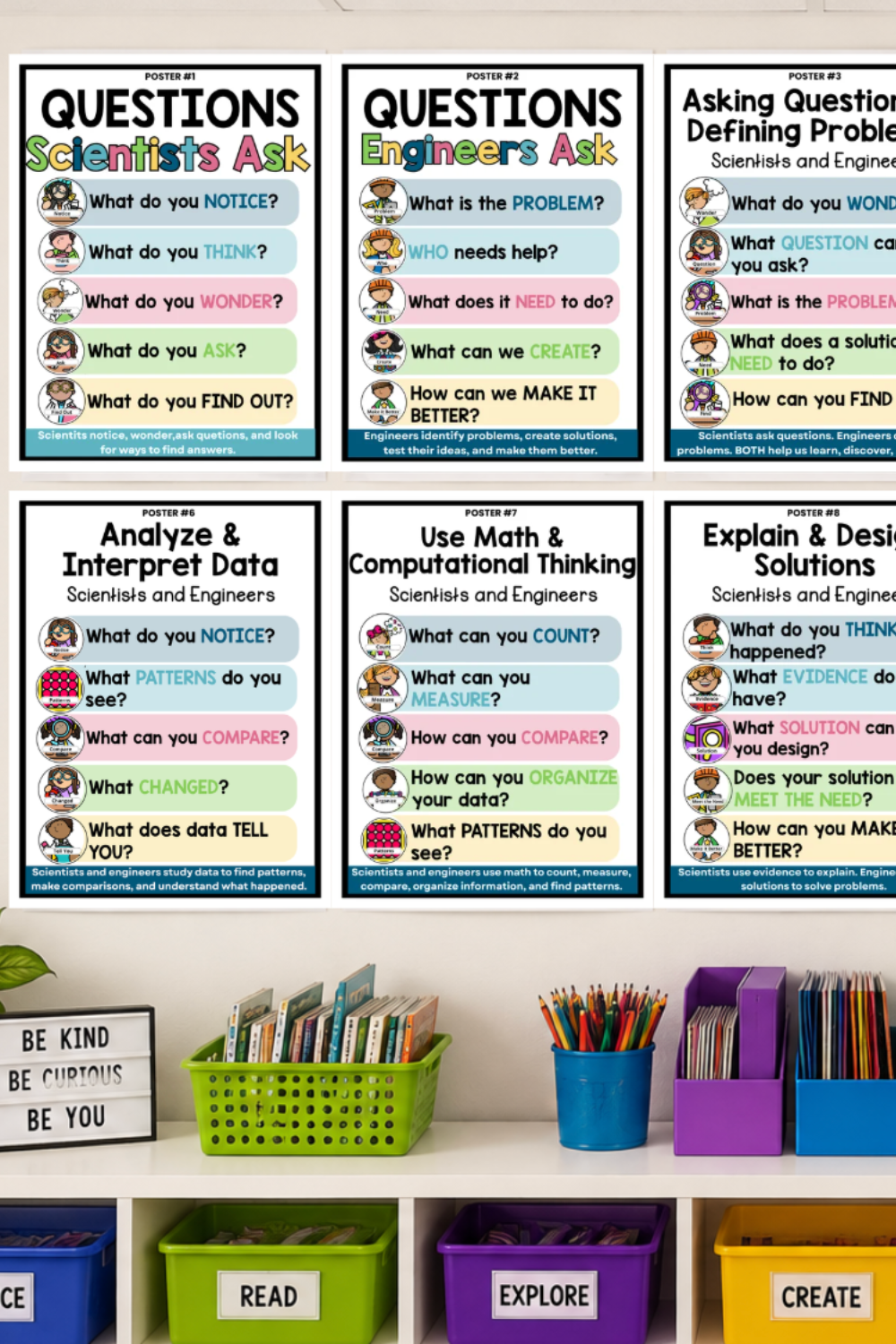
What do you notice?
What do you think?
What do you wonder?
That's it.
Those questions sound simple, but they send children a powerful message:
Your thinking matters here.
The classroom stops being a place where children wait for the teacher to provide the correct answer and starts becoming a place where they participate in discovering it.
And that is a very different kind of learning.
Science and Reading Don't Have to Compete for Time
This is also why I still love integrating science and reading.
The problem isn't reading about science.
The problem is when reading about science becomes the only science children experience.
A great informational text can introduce fascinating information while creating entirely new questions.
A picture book can leave a child wondering what would happen next.
A read-aloud can lead to an investigation.
Reading doesn't have to end the exploration. It can start it.
That's an important distinction when we're teaching science in elementary grades because the reality of the elementary schedule isn't going away.
Most teachers aren't suddenly going to be handed another hour for science tomorrow.
So instead of thinking:
Do I teach reading or science?
I think there's a much more useful question.
How can one deepen the other?
Wonder leads to questions.
Questions lead to conversations.
Conversations lead to discovery.
And discovery creates learning that sticks.
Curiosity Builds More Than Science Knowledge
There's another reason I care about this so much.
Science can build human connection.
Think about what happens when children investigate something together.
They listen to someone else's idea.
They ask questions.
They explain their thinking.
They disagree.
They reconsider.
They encourage one another.
They build on someone else's observation.
They discover something and immediately turn to the person beside them because they have to tell somebody.
That's learning.
But it's also community.
And in a world where children have access to more information than any generation before them, I don't think our most important job is simply giving them more information.
I want them to know what to do with it.
I want children who notice.
Question.
Think.
Wonder.
And keep learning.
Before Your Next Science Lesson, Try This
Before you introduce your next science concept, ask yourself:
Have I given my students something to wonder about?
You don't have to throw away background knowledge.
You don't have to stop teaching vocabulary.
You don't have to abandon informational text.
This isn't an either/or argument.
It's simply permission to reconsider the order.
Maybe children don't need every answer before they're allowed to wonder.
Maybe wonder is what makes them want the answers in the first place.
Want More Exploration Built Into Your Science Lessons?
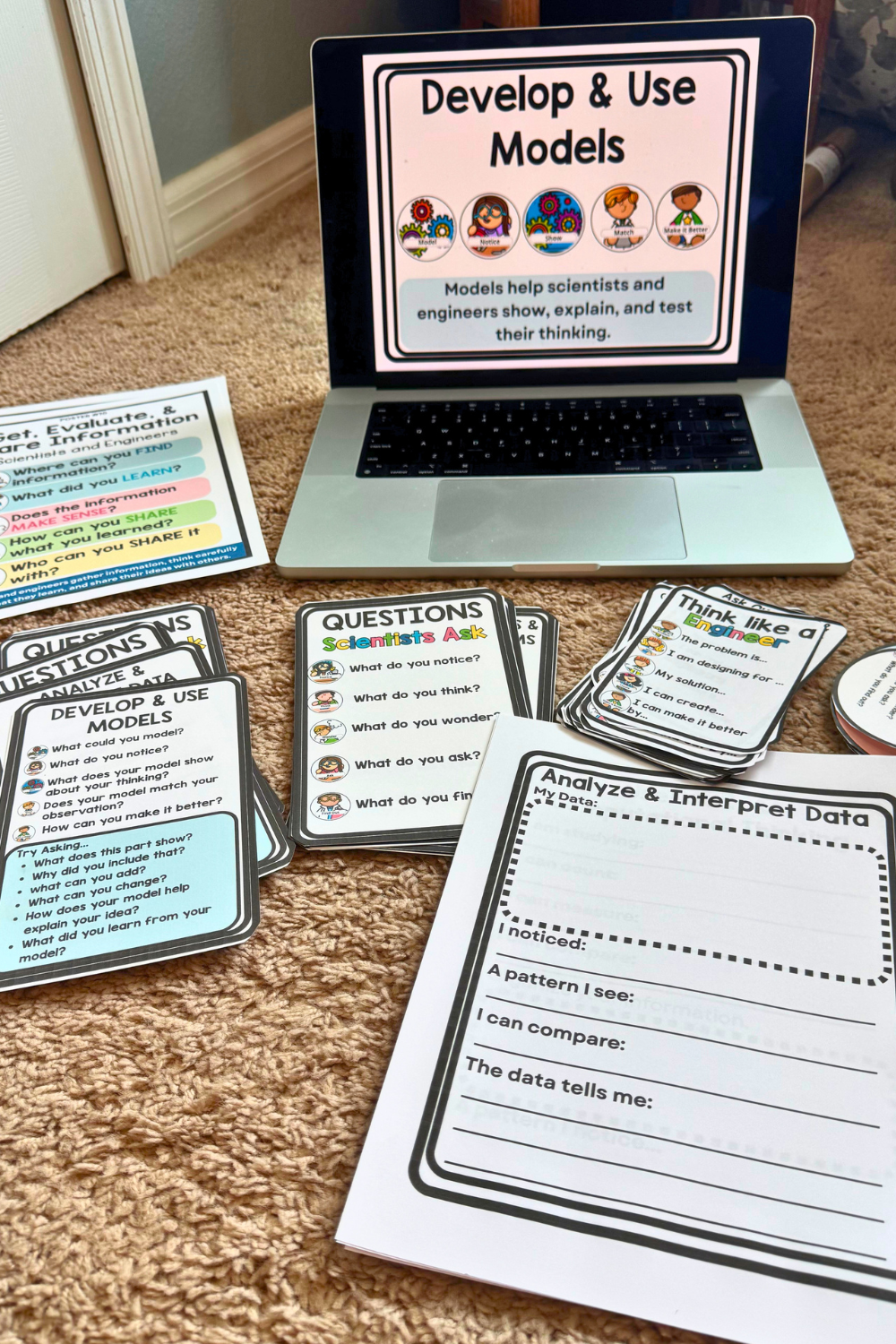
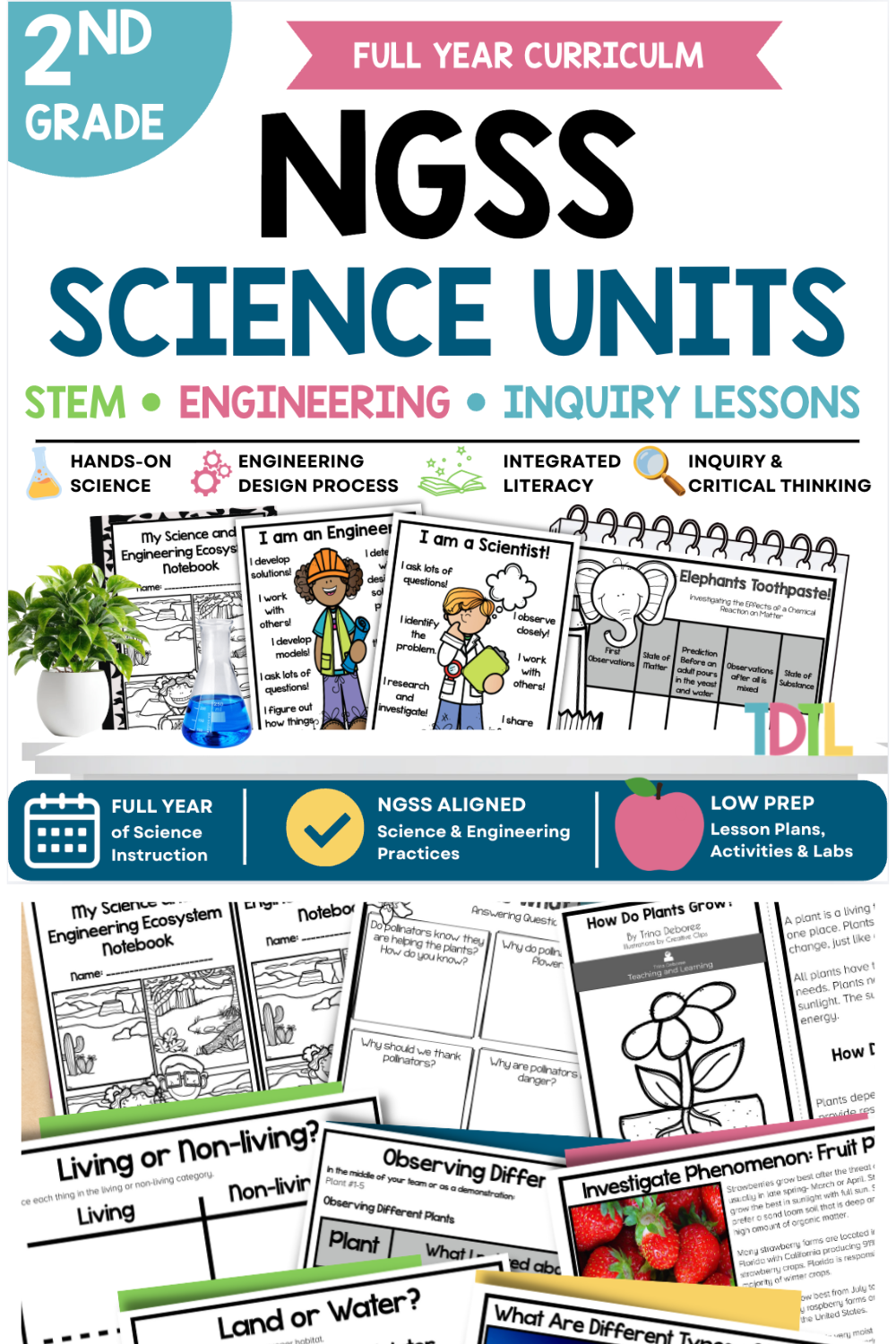
This philosophy is one of the reasons I created my STEM curriculum the way I did.
I wanted science to feel like exploration, not memorization.
Students ask questions, make observations, investigate, talk, and think deeply as part of the learning—not as something they finally get to do after the "real lesson" is finished.
Because exploration isn't what happens before learning.
Exploration is how learning begins.
If that sounds like the kind of science classroom you're trying to create, I'll link my STEM curriculum here:
→ Second Grade Second STEM Units for the Year
→ First Grade STEM Unit: The Practice of Science and Engineering
Use what fits. Leave the rest.
Protect Their Curiosity
If there's one thing I hope you carry with you, it's this:
Children don't need all the answers before they're allowed to wonder.
You don't have to rush to cover every fact.
You don't have to answer every question.
And you don't have to turn every moment of curiosity into a standard, worksheet, or assessment.
Sometimes our job is to create the conditions where curiosity can grow—and then get out of its way.
Curiosity has survived every generation of children.
We don't have to teach it. We simply have to be careful not to extinguish it.
Because children who wonder today become adults who keep learning tomorrow.
Next on One Tired Teacher: We're continuing our September conversation about protecting human connection with Online Safety for Elementary Students: Why Character Matters More Than Technology. Because technology changes quickly—but character still matters.