

Online Safety for Elementary Students: Why Character Matters More Than Technology
Children don't need to become better users of technology.
They need to become better neighbors—online and off.
That's something I've been thinking about a lot lately, especially as technology becomes more deeply woven into children's lives.
When we talk about online safety for elementary students, the conversation often begins with technology.
Don't share your password.
Don't click suspicious links.
Don't talk to strangers online.
And please—teach those things. Children absolutely need to understand how to protect themselves online.
But I don't think that's enough.
Because if we spend all our time teaching children how to use devices safely without teaching them how to treat the people they encounter through those devices, we've missed an important part of the lesson.
Technology will keep changing.
Character doesn't.
Digital Citizenship and Online Safety Aren't Just Technology Lessons
One of the things that fascinated me when I worked as a media specialist was watching technology change.
There was always something new.
A new device. A new website. A new app. A new concern.
Schools tried to keep up. Parents tried to keep up. Teachers tried to figure out which new thing we needed to teach children about next.
We're still doing it.
Now we have even more technology—and AI has added an entirely new layer to the conversation.
But underneath all those changes, our biggest questions haven't really changed.
How do we keep children safe?
How do we treat one another?
How do we disagree respectfully?
What do we do when someone is being hurt?
How do we use our words without tearing someone else down?
And increasingly:
How do we teach children to pause long enough to ask, "Is this true?"
How do we help them develop the discernment to recognize the difference between fact and opinion?
Those aren't just technology questions.
They're human questions.
Passwords Aren't Enough
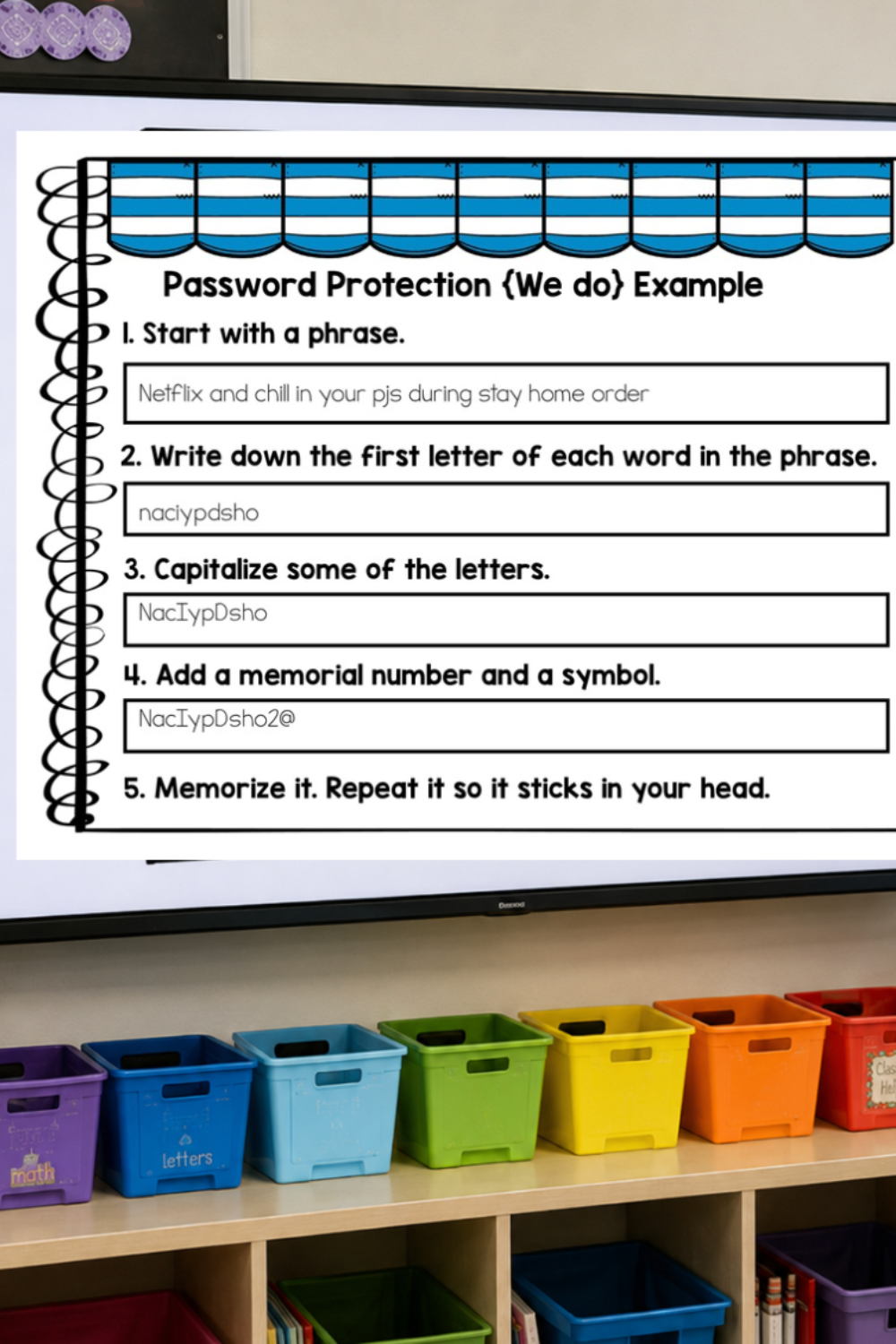
This is where I think our conversations about digital citizenship and online safety sometimes fall short.
We reduce them to a list of rules.
Don't share your password.
Don't click that.
Don't post this.
Don't talk to that person.
Those rules have a place.
But knowing how to protect a password doesn't teach a child how to respond when someone is being left out.
Knowing not to click a suspicious link doesn't teach a child what to do when someone is being cruel online.
And knowing how to operate a device certainly doesn't teach a child to stop and consider how their words might make another human being feel.
Those things have to be taught, too.
Because ultimately, digital citizenship isn't only about preparing children to use technology safely.
It's about preparing them to live well with other people.
Digital Citizenship Belongs in Every Elementary Classroom
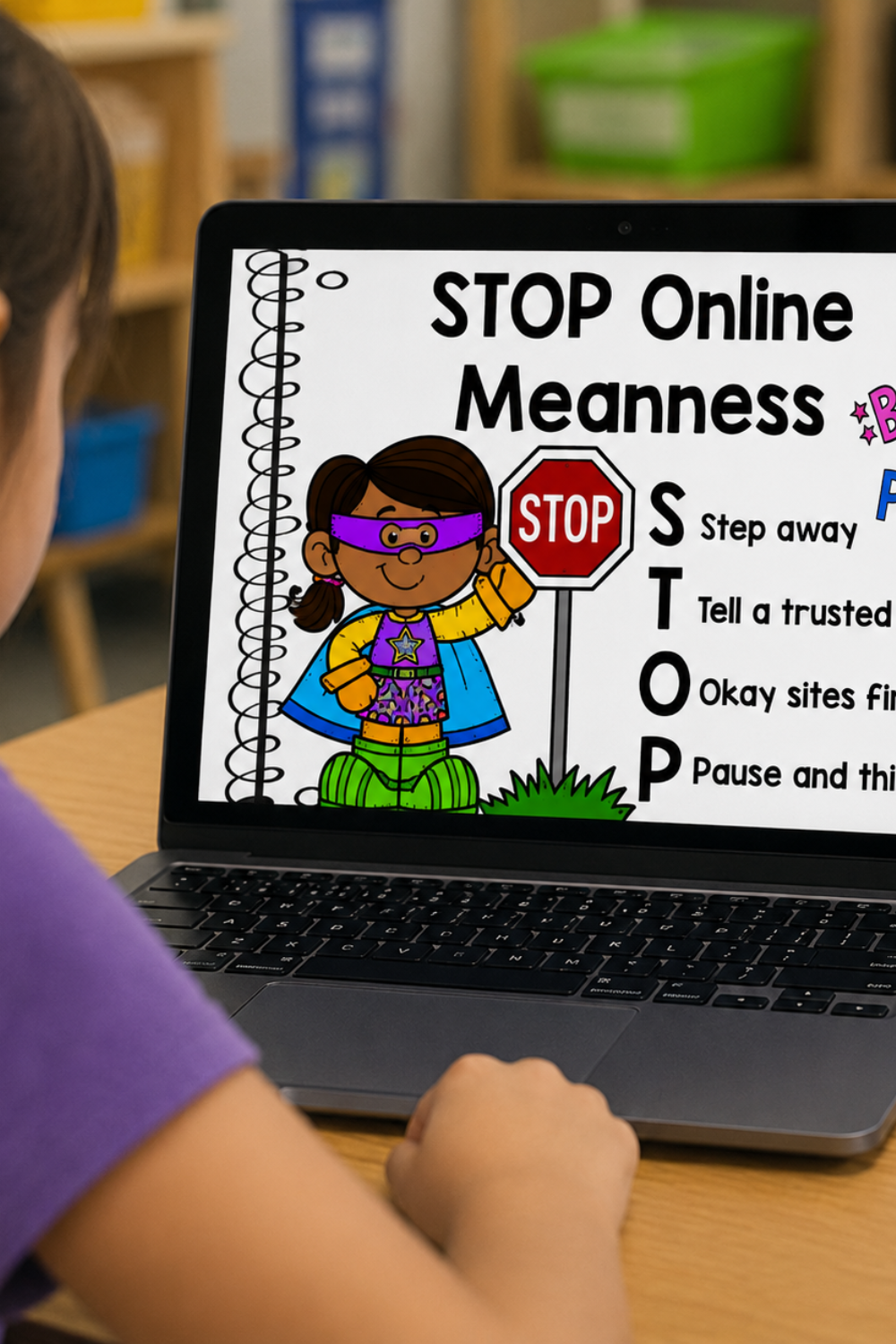
That's why I believe digital citizenship for elementary students doesn't belong only in the computer lab or media center.
It belongs in the classroom.
It belongs in read-aloud discussions when a character makes a hurtful choice.
It belongs in partner work when two children disagree.
It belongs during a recess conflict.
It belongs when somebody feels left out.
It belongs when we're teaching children how to listen to an opinion that's different from their own.
Because kindness isn't a separate subject we pull out once a year during a special lesson.
It's woven into everything we do.
Technology simply gives children another place to practice it.
And that's why I keep coming back to this:
Children don't need to become better users of technology. They need to become better neighbors online and off.
Four Things to Include in Digital Citizenship Lessons
Before your next digital citizenship lesson or internet safety activity, try asking yourself:
Am I teaching children how to use technology—or am I also teaching them how to care for people?
I think some of the best digital citizenship lessons give children opportunities to practice four things.
1. Pause
Before you post.
Before you respond.
Before you react.
Before you believe.
That last one is becoming increasingly important.
Children are growing up surrounded by information. Giving them more information isn't necessarily the answer.
We have to help them learn to stop, question, and think about what they're seeing.
2. Perspective
How might someone else experience these words?
That's an important question online and offline.
Children need opportunities to consider experiences beyond their own. The fact that we can't see someone's face through a screen doesn't make their feelings any less real.
3. Responsibility
Our choices leave footprints.
We talk about the digital footprint children create online, and that's important.
But our choices leave footprints offline, too.
Our words affect people. Our actions affect people. What we choose to share, repeat, believe, or amplify matters.
4. Kindness
Every screen still has a human being on the other side.
And every click is a choice about the kind of person we want to become.
That's the part I don't want us to lose.
Technology doesn't change our character. It magnifies it.
Online Safety Is Also About Human Connection
This entire September series has been about protecting human connection.
And I think online safety for elementary students belongs right in the middle of that conversation.
Children don't stop needing empathy because they're online.
They don't stop needing kindness.
They don't stop needing to feel safe.
If anything, those things can become even more important because it's much easier to forget there's a real human being on the other side of a screen when you can't see their face.
Our job is to help children remember.
Words matter.
Choices matter.
People matter.
Even when we can't see them.
You Don't Have to Keep Up With Every New App
Here's the part I hope takes a little pressure off.
You don't have to know everything.
You don't have to keep up with every new app, platform, trend, device, or piece of technology that appears.
Honestly, I'm not sure any of us could.
You don't have to become a technology expert overnight to have meaningful conversations about internet safety and digital citizenship with children.
Because some of the most important things you're teaching aren't really about technology at all.
They're about kindness.
Empathy.
Responsibility.
Perspective.
Discernment.
And the ability to stop and think before acting.
Those lessons aren't going obsolete with the next software update.
Digital Citizenship Lessons Should Meet Children Where They Are
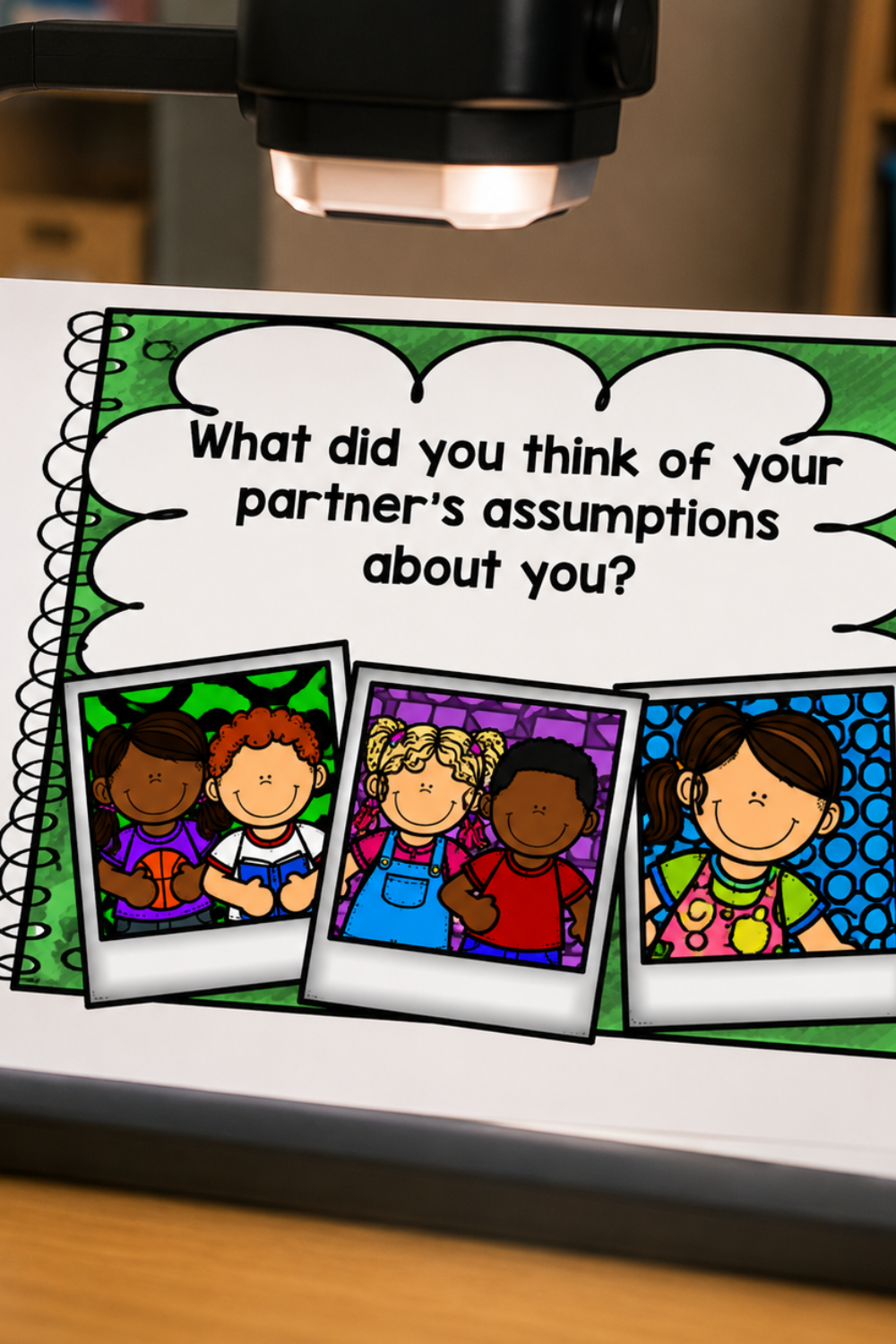
One of the reasons I created separate Digital Citizenship and Online Safety resources for Kindergarten, first, second, and third grade is because these conversations need to be age-appropriate.
Kindergarten conversations don't sound exactly like third-grade conversations.
And they shouldn't.
Children deserve lessons that meet them where they are developmentally while still giving them opportunities to think, talk, wonder, and practice what kindness and safety look like in a digital world.
I also didn't want these lessons to be fear based.
Our goal shouldn't be to make children afraid of technology.
Our goal is to help them learn to navigate it thoughtfully and safely.
If you're looking for age-appropriate digital citizenship and online safety lessons for your students, I'll link the resources here:
There are separate versions for Kindergarten, first grade, second grade, and third grade, so you can choose the conversations and activities that fit the children in front of you.
Use what fits.
Leave the rest.
Technology Changes. Character Doesn't.
If you remember one thing from this conversation, I hope it's this:
Technology changes. Character doesn't.
We absolutely need to teach children how to stay safe online.
But let's not stop there.
Let's teach them to pause before they respond.
To question before they believe.
To consider someone else's perspective.
To understand that their choices leave footprints.
And to remember that behind every screen is another human being.
Because maybe the most important question isn't simply:
Do our children know how to use technology safely?
Maybe we should also be asking:
Are they becoming the kind of people others feel safe learning beside—online and off?
That's the kind of digital world I want us to help children build.
Next on One Tired Teacher: We're wrapping up September with STEM Story Read Alouds: Why Stories Shouldn't End at "The End."
Because sometimes the best learning doesn't happen while we're reading the story.
Sometimes it begins after we close the book.