Why Human-Centered STEM Builds Better Classrooms
What if STEM wasn’t about bins of stuff, but about the humans in the room?
We dig into a human-centered approach that treats STEM as a daily practice of connection—where students learn to collaborate, think critically, and care for one another while they solve real problems. Instead of chasing pricey kits, we start with stories and simple materials, then layer in the engineering design process to make reflection, testing, and revision feel natural and fun.
We share why employers keep naming collaboration, creativity, and community as the missing skills, and how an off-screen STEM block gives kids a safe place to practice those habits. You’ll hear how rising academic pressure—especially in the early grades—can crowd out play, and why slowing down to build belonging actually accelerates learning. Our Five Cs framework (collaboration, creativity, critical thinking, community, and curiosity) becomes the backbone for planning, coaching teamwork, and celebrating inclusive classroom culture.
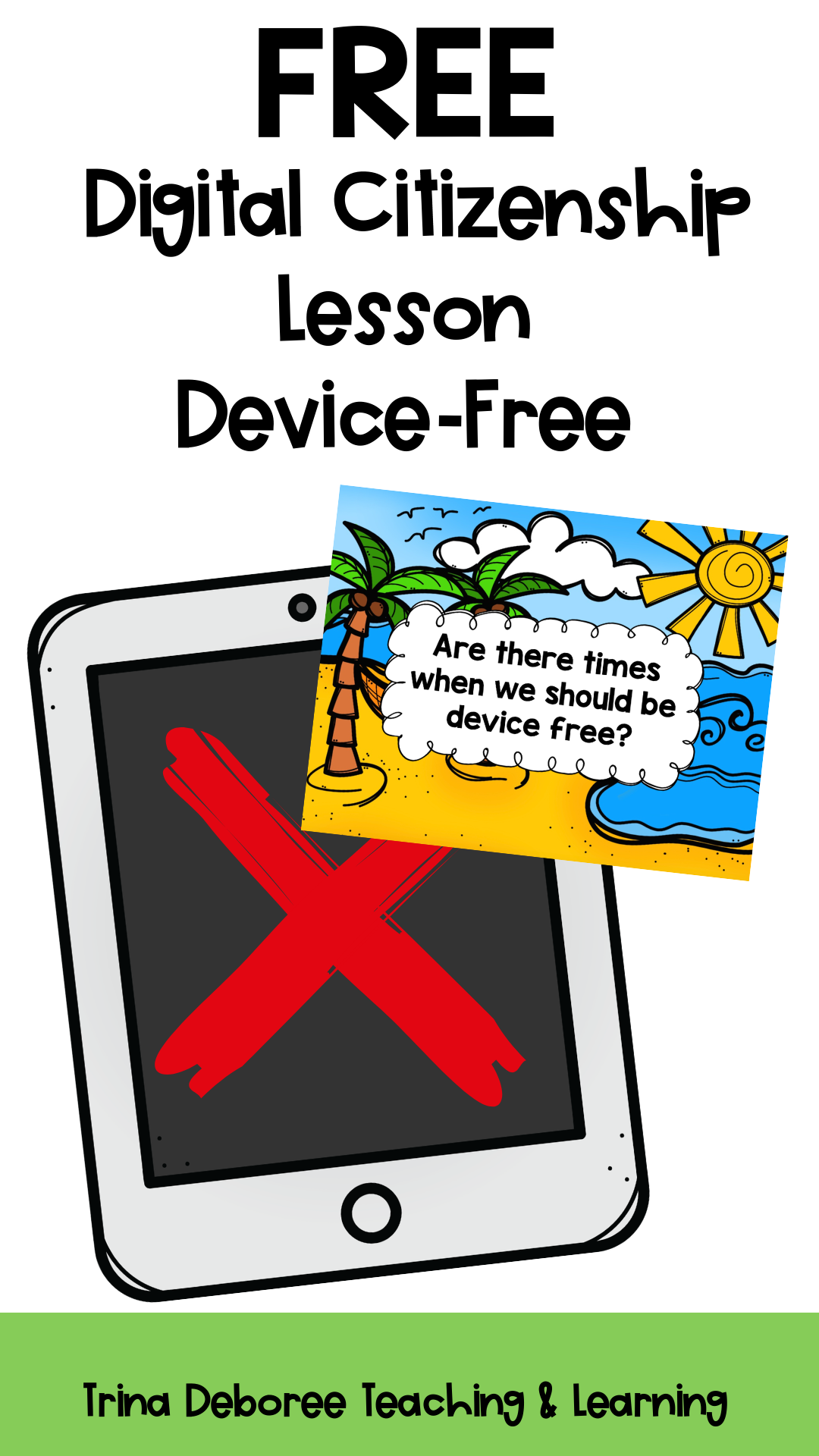
Looking for concrete ideas? We walk through picture-book pairings that light the spark—think The Amazing Bone, The Day the Crayons Quit, Rosie Revere, Engineer, Stone Soup, and The Curious Garden—then map them to challenges students can own. Use bell-ringer routines to spread the engineering cycle across the week, introduce simple constraints to focus thinking, and offer choice boards to boost voice and engagement. We also share a free, device-free digital citizenship lesson to help students practice presence, empathy, and attention before they go online.
If you want a classroom where kids arrive eager to build, listen, and try again, this conversation is your playbook. Subscribe for more human-centered teaching ideas, share this with a colleague who needs a spark, and leave a review to tell us which C your students are growing most right now.